
 Image 1 of 3
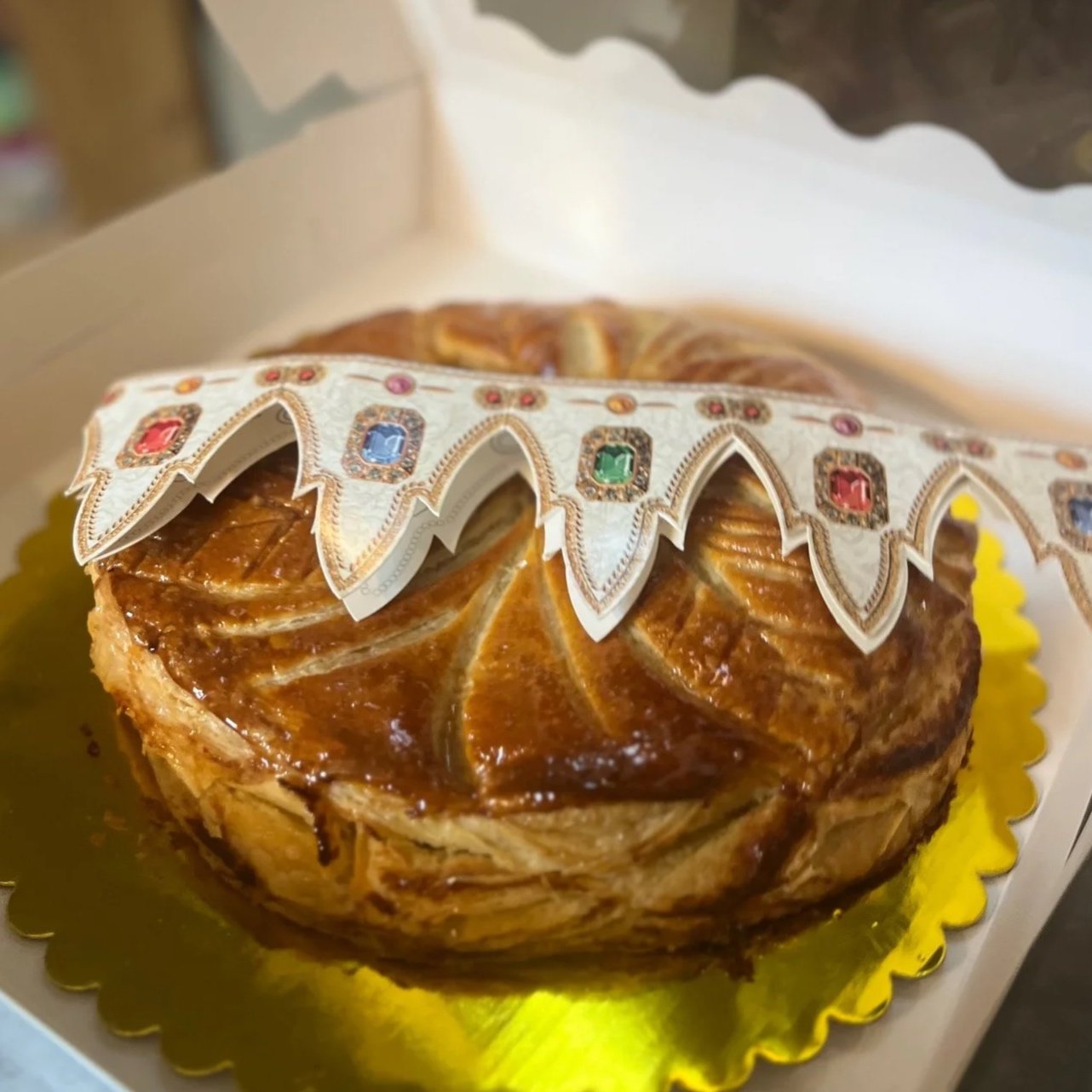 Image 2 of 3
 Image 3 of 3
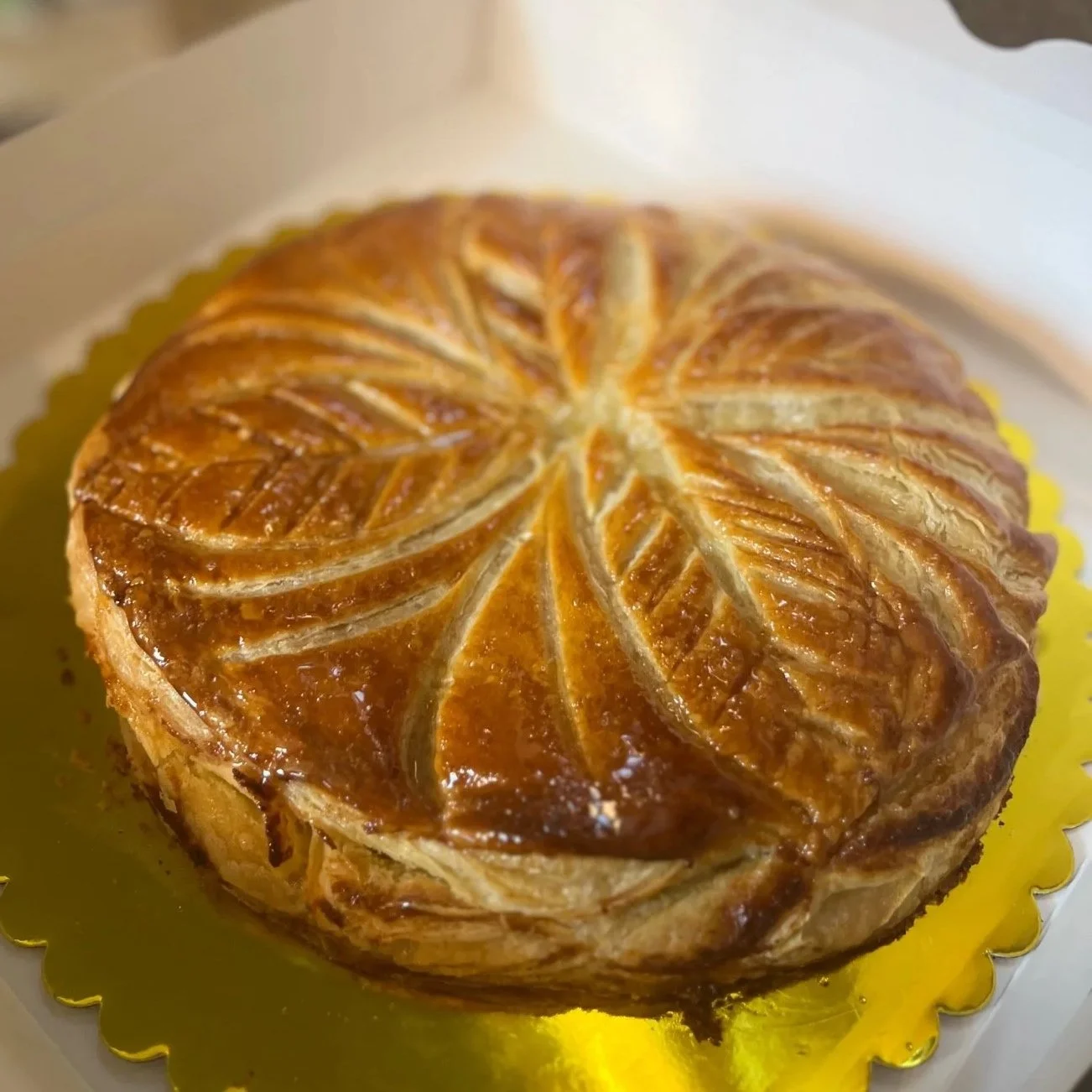
From Pagan to Christian Tradition During the Saturnalia, the Romans shared a meal with their slaves. They prepared a round, golden cake, like the sun, and placed a bean inside. Whoever found it was designated king of the feast and had to wear a mock crown.
Later, Christians adopted this tradition of the galette to celebrate the arrival of the Three Wise Men at the manger of the Infant Jesus. This is Epiphany. The slices were cut according to the number of guests. An extra piece, called "the poor man's share," was set aside, in case someone came to the door. A Variety of King Cakes and Charms
Today, there are many different types of King Cakes. In some regions of France, it's a brioche with candied fruit, a choux pastry covered in sugar, or even a cake with almonds, apples, or chocolate. What they all have in common is that they contain a charm.
This charm has changed over time. Initially, it was a broad bean or a common bean. Then, a gold or silver coin. In the 18th century, the charm became a porcelain figurine representing figures from the Nativity scene. Nowadays, the charm is still made of porcelain and comes in various shapes, such as cartoon characters.
Celebrate how you wish with this special King Cake today.
From Pagan to Christian Tradition During the Saturnalia, the Romans shared a meal with their slaves. They prepared a round, golden cake, like the sun, and placed a bean inside. Whoever found it was designated king of the feast and had to wear a mock crown.
Later, Christians adopted this tradition of the galette to celebrate the arrival of the Three Wise Men at the manger of the Infant Jesus. This is Epiphany. The slices were cut according to the number of guests. An extra piece, called "the poor man's share," was set aside, in case someone came to the door. A Variety of King Cakes and Charms
Today, there are many different types of King Cakes. In some regions of France, it's a brioche with candied fruit, a choux pastry covered in sugar, or even a cake with almonds, apples, or chocolate. What they all have in common is that they contain a charm.
This charm has changed over time. Initially, it was a broad bean or a common bean. Then, a gold or silver coin. In the 18th century, the charm became a porcelain figurine representing figures from the Nativity scene. Nowadays, the charm is still made of porcelain and comes in various shapes, such as cartoon characters.
Celebrate how you wish with this special King Cake today.